Joggers vs Straight-Leg Trousers: How to Choose Your Everyday Fit
Quick answer: Cuffed joggers usually narrow towards the ankle, while straight-leg trousers keep a more even leg shape. Choose according to the specific garment’s cut, waistband, measurements and how you want to wear it. Neither style name guarantees a particular fabric or fit.
Two pairs of trousers can carry the same size label and feel very different. The difference may come from the leg shape, the rise, the waistband or the amount of room through the seat and thigh. Knowing which details you prefer makes casual shopping easier.
Begin with the leg opening
A cuffed jogger gathers at the ankle, creating a more defined finish at the bottom of the leg. Straight-leg trousers typically have an open hem and a more continuous line from the upper leg towards the ankle. Some joggers are less tapered than others, so check the photographs of the actual pair.
Think about the shoes and tops you normally wear. If you like a gathered ankle with trainers, a cuffed style may suit that combination. If you prefer an open hem, compare straight-leg options. Your preference matters more than a general rule about what a body shape should wear.
Compare the waistband separately
The waistband can change how a pair feels when sitting, walking or travelling. Look for the construction shown in the listing: elastic, a drawstring, a fixed waistband or a combination. An elastic waistband is not a promise that every measurement will suit you.
If the listing gives a relaxed waist measurement, check whether any additional stretch measurement is provided and how it was taken. Ask for clarification when needed. Avoid assuming that a waist width measured flat is the same as a body waist measurement.
Check length, rise and room through the leg
Compare the trousers with a pair you already wear comfortably. Use the same measurement points and units as the listing. Waist, rise, hip or seat width, thigh width and leg length can all help explain the fit, where those measurements are available.
A pair can fit at the waist yet be too short or feel restrictive through the thigh. A cuff may hold extra length around the ankle, while an open hem may fall differently over shoes. Look at the whole garment before deciding to buy your usual size.
Separate fabric from silhouette
“Jogger” and “straight leg” describe aspects of design; they do not tell you the complete fibre composition or fabric weight. A fleece trouser and another casual pant can have similar shapes but suit different preferences and conditions.
Read the fabric details, any stretch information and the care label where shown. Our fabric label guide helps explain common terms. Check the particular product rather than assuming that all items in a category feel the same.
Try a simple wardrobe comparison
Choose one top and the shoes you would normally wear with the trousers. Compare how each leg shape would work with that outfit. A plain pair can be useful with several tops; a different colour or detail may be worthwhile if it still works with clothes you own.
For an everyday pair, think about your normal routine: time at home, errands, travel or casual outings. Once the item arrives, assess fit while keeping it in the condition required by the return policy.
Shopping export leftover trousers
Size runs and designs can vary between batches. Do not choose an unsuitable fit simply because a preferred colour is the last available piece. Qurat Clothing individually inspects and measures garments, with actual measurements and product details shown in product images.
Explore the men’s collection and women’s collection, including unisex styles where listed. Compare each item’s measurements, check its condition notes and ask our team with the QC code if a detail needs explaining.
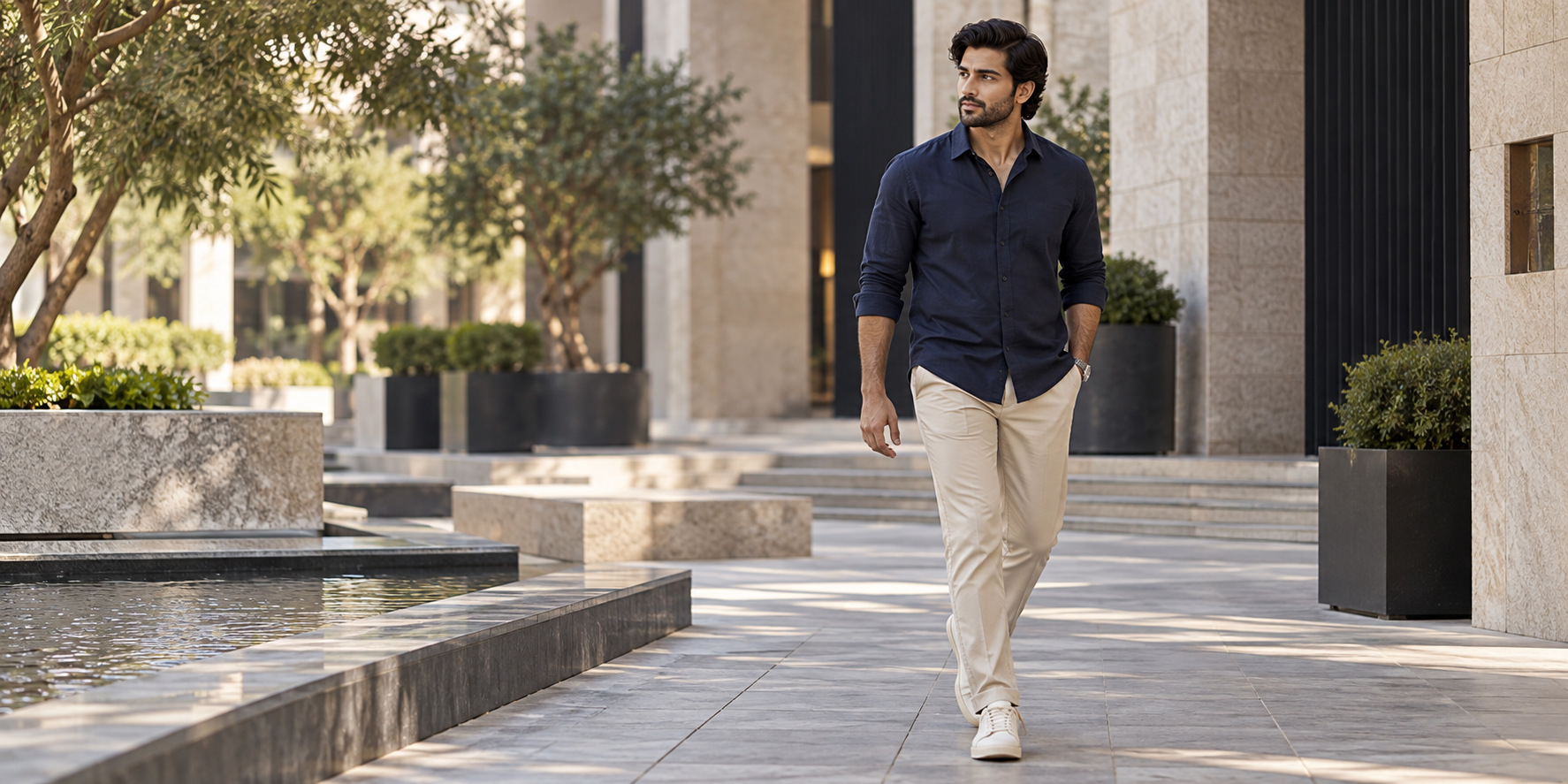
Cover image is illustrative. Refer to individual product listings for actual designs and available sizes.
Comments
Be the first to comment.