How to Read Clothing Product Photos Before Buying Online
Use photos to ask better questions about fit, colour and garment details.
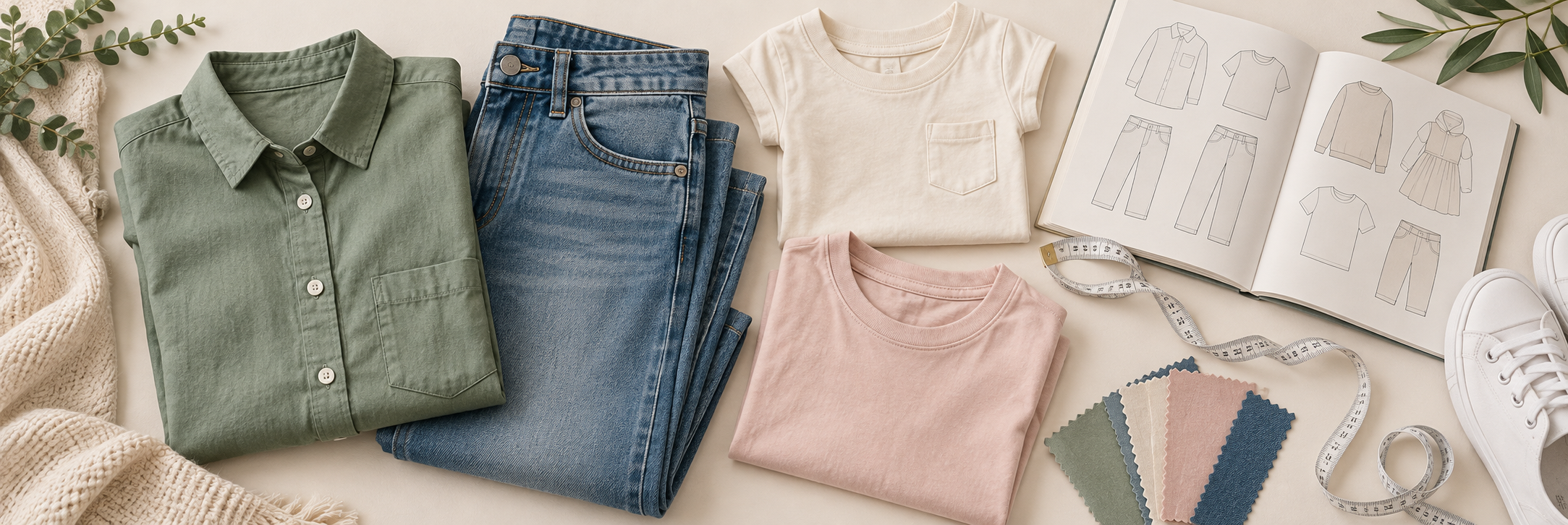
Product photographs help you see a garment, but they cannot answer every buying question. Use them alongside measurements, fabric information and condition notes. A useful shopping decision comes from how those details agree, not from one attractive image.
Look for different views
A front view can show the overall design, while back and close-up images may clarify seams, pockets, fastenings and the inside surface. If a detail matters to you and is not visible, ask about it rather than assuming it matches another product from the same brand.
Separate styling from size
A model photograph shows how the garment sits on that person in that pose. It does not establish the length or width that will suit you. A folded or laid-flat image also cannot replace the stated dimensions.
Read colour with some flexibility
Lighting, camera settings and screens can change the appearance of shades. If an exact match with something you own is important, ask for clarification where possible. Do not treat a photograph as a colour guarantee.
Check practical details
- Is the fastening type clear?
- Are pockets visible and described?
- Does the inside fabric appear in a close-up?
- Do images and written fit notes describe the same cut?
- Are any condition differences explained?
Notice what cannot be confirmed visually
A photograph cannot reliably prove softness, stretch recovery, fabric weight or long-term durability. Nor does a visible logo alone establish the full sourcing history. Use the seller's product information and ask specific questions where evidence is missing.
Make a final cross-check
Compare actual garment measurements with a comfortable reference piece. Read care details, the complete checkout cost and current exchange terms. If a necessary answer is missing, resolve that question before ordering rather than filling the gap with a guess.
Use QC's top measurement guide and trouser checklist alongside the photographs of your shortlisted items.
Resolve conflicting photos, labels and descriptions
A model image shows one presentation, not a measurement standard. A close-up helps with a seam or surface, while a flat photograph may explain overall shape. Check the selected variant and ask which images represent it. A care label or size sticker visible in a photo is useful evidence, but it may need clarification if it conflicts with the written description.
Keep a short question list: what is included, which fastenings work, what the inside looks like and which dimensions remain missing. If a title says sleeveless but the photograph shows sleeves, resolve the contradiction before ordering. Do not silently choose whichever detail you prefer.
For example, a trouser image can show pockets without establishing their depth. Ask for the relevant dimension if carrying an item matters. Compare cargo pocket checks and decoration details for specific follow-up questions. Screen colour and lighting also limit exact matching; use current boys' and girls' listings as item-level evidence rather than proof of every variant.
A product gallery answers colour but leaves the waistband unclear
A shopper can see the garment’s front and print but cannot tell how its waistband closes. More photographs are useful only if they answer the missing question.
| Record | What to compare or ask |
|---|---|
| Known | List what the existing images actually show. |
| Unknown | Name the precise missing feature or dimension. |
| Request | Ask for one relevant view with the item code. |
What this example helps you decide
Use photographs as evidence of visible details and request labels or measurements for other claims. An image cannot establish fibre percentages, exact colour on every screen or unseen condition.
For an item enquiry, include the QC code, selected size and the specific detail you need clarified. Keep an observation separate from an assumption, and retain any relevant photographs with your order record.